
In World of Warcraft Classic, crowd control (CC) plays a pivotal role in ensuring the success of dungeon runs. With the absence of modern QoL features and the heightened difficulty of encounters, players must rely on their ability to effectively manage enemy mobs to avoid overwhelming situations that can lead to wipes. Two of the most essential CC abilities are the Mage’s Polymorph (commonly referred to as “Sheeping”) and the Hunter’s Freezing Trap. Understanding the strategic application of these abilities can significantly enhance your team’s performance in dungeons.
The Importance of Crowd Control
Crowd control is crucial in Classic dungeons for several reasons. First and foremost, it allows players to isolate and eliminate threats without drawing aggro from additional mobs, which could lead to disastrous outcomes. In a typical dungeon scenario, pulling more than one group of enemies can quickly spiral out of control, resulting in a wipe. By utilizing CC, players can temporarily disable certain enemies, allowing the group to focus on one target at a time. Additionally, effective use of CC can buy precious time for healers to regain mana or for DPS to reposition, ultimately making encounters more manageable.
Understanding Polymorph and Freezing Trap
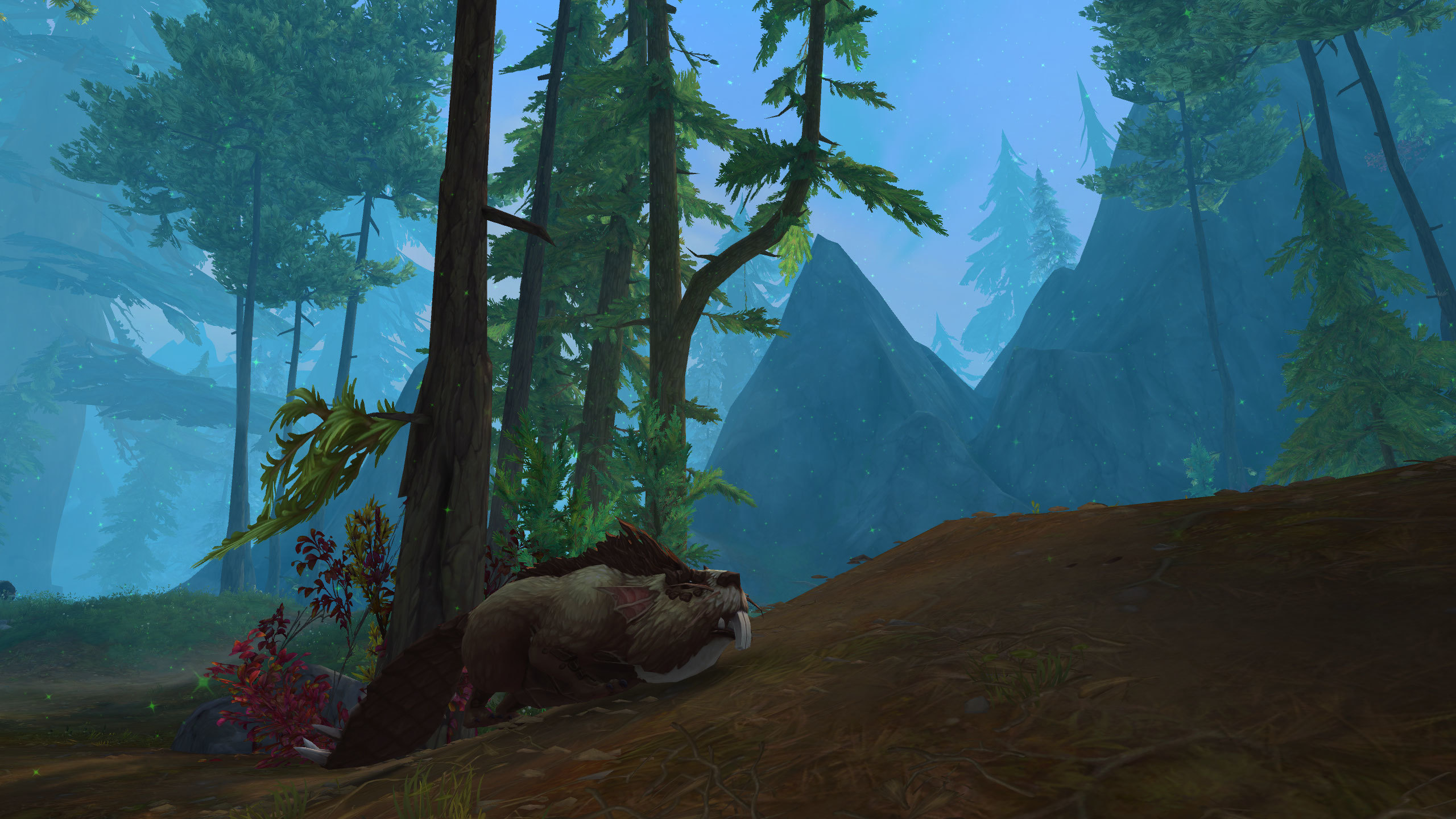
Polymorph is a signature ability of Mages that transforms an enemy into a harmless sheep for a short duration, during which time they are rendered unable to act. This is particularly effective against humanoid and beast-type mobs, allowing the Mage to control a significant portion of the battlefield. On the other hand, the Hunter’s Freezing Trap is a ranged CC that temporarily incapacitates a target in a layer of ice, making it a versatile option for both melee and ranged encounters. Both abilities have their unique benefits and situational uses, and understanding when to deploy them is crucial for successful dungeon runs.
| Ability | Duration | Cooldown | Type |
|---|---|---|---|
| Polymorph | 20 seconds | 50 seconds | Magic |
| Freezing Trap | 20 seconds | 30 seconds | Physical |

Strategic Application of CC
Using CC effectively requires good communication and coordination among party members. Players should establish clear roles prior to engagements, ensuring that everyone understands when and how to apply their CC abilities. For example, Mages should prioritize the use of Polymorph on high-threat targets, such as casters or mobs with dangerous abilities, while Hunters can use Freezing Trap to control incoming melee attackers. Additionally, players should be mindful of CC breaking mechanics, as unintended damage can quickly free trapped targets, leading to a potential wipe.
Common Mistakes to Avoid
Despite the importance of CC, many players often make critical mistakes that can undermine their dungeon runs. One common error is failing to communicate CC targets, which can result in multiple players using their CC on the same target or, worse, not using it at all. Another frequent issue is overlapping CC abilities, which can lead to wasted cooldowns and unmanageable mob groups. To avoid these pitfalls, players should establish a clear CC rotation and use voice communication tools to call out targets and cooldowns effectively.
- Always confirm CC targets before pulling.
- Be aware of the CC duration and cooldowns.
- Positioning is key; ensure you have line of sight (LoS) for your CC abilities.
- Consider the timing of CC releases to avoid breaking your own control.
- Utilize the party’s composition to maximize CC efficiency.
Conclusion: The Non-Negotiable Nature of CC
In conclusion, mastering crowd control is a non-negotiable aspect of success in Classic dungeons. The effectiveness of abilities like Polymorph and Freezing Trap cannot be overstated, as they are essential for managing the flow of combat and preventing overwhelming encounters. By understanding the strategic application of CC and avoiding common mistakes, players can ensure smoother, more efficient dungeon runs. As you delve into the depths of Azeroth’s dungeons, remember that a well-timed CC can be the difference between victory and defeat.